-
Suite 1/183 Tynte Street
North Adelaide SA 5006 -
Clinic Hours:
Mon – Fri 8:30 am – 5:00 pm

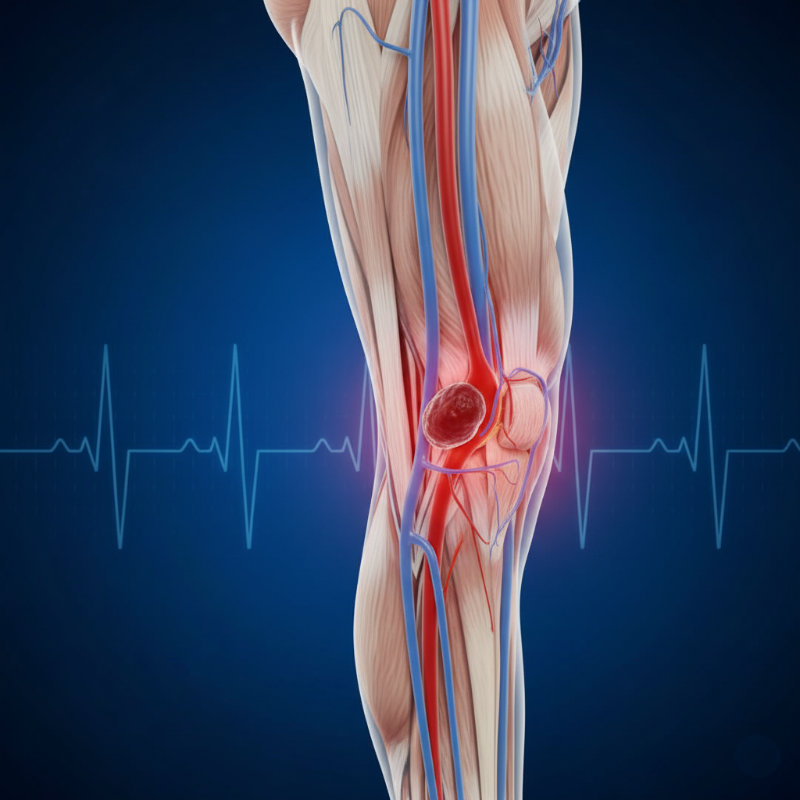
Deep Vein Thrombosis
What is DVT?
Blood clots are natural and form to stop bleeding after an injury. However, with DVT, a clot forms unnecessarily within a deep vein. This can happen if blood flows too slowly through a vein, if there’s damage to a vein wall, or if the blood is more prone to clotting than usual.
Symptoms of DVT
DVT doesn’t always cause symptoms, but when it does, they often appear suddenly. Common signs and symptoms in the affected limb (usually the leg) include:
Swelling (Oedema): Often in one leg or arm, sometimes the entire limb.
Pain or Tenderness: Often described as a cramp or soreness, which may worsen when standing or walking.
Warmth: The skin around the affected area may feel warmer than the surrounding skin.
Redness or Discoloration: The skin over the affected area may look red or bluish.
Visible superficial veins: Veins on the surface of the skin may appear more prominent.
Causes and Risk Factors
DVT is often linked to one or more of the following:
Injury to a vein: From surgery, trauma, or inflammation.
Slowed blood flow: Due to long periods of immobility.
Increased tendency for blood to clot: Certain medical conditions or medications.
Common risk factors include:
Recent Surgery: Especially hip, knee, ankle or cancer surgery.
Prolonged Immobility: Such as long-distance flights or car trips, or bed rest.
Hospitalisation: Extended stays in hospital or in bed.
Cancer and Cancer Treatment: Some cancers and therapies increase clotting risk.
Older Age: Risk increases with age.
Obesity: Adds pressure to veins and slows drainage.
Pregnancy and Postpartum Period: Hormonal changes increase blood thickness and pressure on veins.
Birth Control Pills or Hormone Replacement Therapy.
Smoking.
Family History: A genetic tendency to form clots.
Previous DVT or Pulmonary Embolus.
Varicose Veins: Can increase risk.
Diagnosis and Treatment
If DVT is suspected, it’s crucial to seek medical attention quickly. Diagnosis typically involves:
Physical Examination: Your doctor will assess your symptoms and examine the affected limb.
D-dimer Blood Test: A blood test that can indicate the presence of blood clots (though a positive result doesn’t always mean DVT).
Duplex Ultrasound: This is the most common and accurate test. It uses sound waves to create images of your veins and detect blood clots.
Treatment for DVT focuses on preventing the clot from getting larger, stopping it from breaking off and travelling to the lungs, reducing the chance of another clot forming and occasionally the removal of large clots from blocked veins.
Common treatments include:
Anticoagulants (Blood Thinners): These medications reduce the blood’s ability to clot. They are the primary treatment for DVT and are taken for several months or longer.
Compression Stockings: Can help reduce leg swelling and prevent Post-thrombotic syndrome (long-term complications after DVT).
Thrombolysis: In some severe cases, medication might be used to dissolve the clot, usually administered in hospital.
Thrombectomy: A surgical procedure performed in hospital using keyhole techniques to remove clot from large veins, occasionally requiring the placement of a venous stent.
Vena Cava Filter: Rarely, a filter may be inserted into a large vein in the abdomen to catch clots before they reach the lungs, typically for patients who cannot take blood thinners.
Preventing DVT
Prevention is key, especially if you have risk factors. Strategies include:
Stay Active: Move around as much as possible during times of increased risk, especially after surgery or during long periods of sitting.
Regular Movement during Travel: On long flights or car trips, walk around every hour or two, and do leg exercises while seated.
Stay Hydrated: Drink plenty of fluids to avoid dehydration, which can thicken blood and increase clotting risk.
Wear Compression Stockings: If advised by your doctor, particularly after surgery or during long travel.
Manage Underlying Conditions: Control conditions like high blood pressure, diabetes, and obesity.
Quit Smoking or Vaping.
Follow Medical Advice: Take prescribed medications and follow post-surgery instructions carefully.
If you are concerned about DVT or believe you are at risk, speak to your GP without delay. For sudden, severe symptoms, seek immediate emergency care.