-
Suite 1/183 Tynte Street
North Adelaide SA 5006 -
Clinic Hours:
Mon – Fri 8:30 am – 5:00 pm

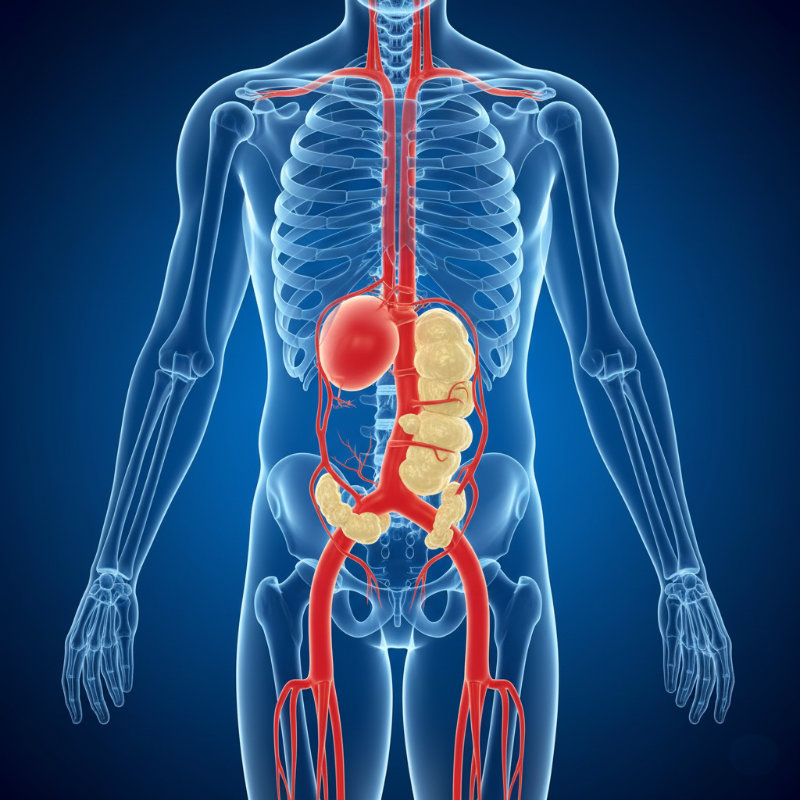
Aorto-iliac Occlusive Disease (AIOD)
What is Aorto-iliac Occlusive Disease?
The aorta is the body’s main artery, bringing from the heart into the abdomen before dividing into two iliac arteries, which then carry blood to each leg. AIOD occurs when atherosclerosis, the build-up of fatty plaque on artery walls, restricts blood flow in this crucial pathway. This blockage can be partial narrowing (stenosis) or complete blockage (occlusion).
Symptoms of AIOD
AIOD symptoms can range from mild to severe and often worsen over time. The classic triad of symptoms associated with Leriche syndrome includes:
Claudication: Pain, cramping, or fatigue in the buttocks, thighs, or calves that occurs during exercise (such as walking) and is relieved by rest. This is the most common symptom.
Impotence: Erectile dysfunction is a common symptom in men with AIOD, due to reduced blood flow to the pelvic region.
Absent or Decreased Femoral Pulses: A weakened or completely absent pulse in the groin area.
In more advanced stages, symptoms may include:
Pain in the feet or toes, even at rest.
Non-healing sores, ulcers, or infections on the legs and feet.
Coldness, numbness, or paleness in the legs and feet.
Muscle wasting in the legs.
If you experience severe pain, numbness, or discolouration in your legs, especially if it appears suddenly, it could be a sign of a critical blockage. Seek immediate medical attention.
Causes and Risk Factors
The primary cause of AIOD is atherosclerosis. The same factors that contribute to atherosclerosis in other parts of the body also increase the risk of AIOD.
Key risk factors include:
Smoking or vaping: This is the single most significant risk factor. It damages the arteries and accelerates plaque formation.
Age: The risk increases significantly after the age of 50.
Diabetes: High blood sugar levels can damage blood vessels over time.
High Cholesterol: High levels of “bad” cholesterol (LDL) promote plaque build-up.
High Blood Pressure (Hypertension): Causes stress and damage to artery walls.
Obesity: Often associated with other risk factors like diabetes and high blood pressure.
Family History: A genetic predisposition to atherosclerosis and PAD.
Diagnosis and Treatment
Early diagnosis is crucial to prevent the progression of AIOD and its complications. Your doctor will likely:
Perform a Physical Exam: Checking for weak or absent pulses in your legs and feet.
Ankle-Brachial Index (ABI): A quick, non-invasive test that compares blood pressure in your ankle to blood pressure in your arm. A low ABI suggests PAD.
Doppler Ultrasound: A non-invasive test using sound waves to create images of blood flow and can detect blockages.
CT Angiography (CTA) or MR Angiography (MRA): Provides detailed images of the arteries and the location and severity of blockages.
Treatment for AIOD is focused on relieving symptoms, preventing the disease from getting worse, and avoiding complications like amputation.
Lifestyle Changes & Medications
Smoking cessation is the most important step in preventing further artery damage.
Regular exercise, such as a structured walking program, can significantly improve symptoms.
A healthy diet and weight management.
Medications to manage high blood pressure, high cholesterol, and diabetes are essential. Blood-thinning medications may also be prescribed to prevent clots.
Procedures & Surgery
For more severe blockages, or when lifestyle changes and medication are not improving symptoms, surgical or endovascular procedures may be necessary:
Angioplasty and Stenting: A minimally invasive (‘keyhole’) procedure where a small balloon is inflated within the artery to widen it, and a stent (a small metal tube) is often placed to keep it open.
Bypass Surgery: A surgical procedure using open surgical cuts to reroute blood flow around the blocked section of the artery using a graft (either a vein from another part of the body or a synthetic tube).
Prevention
You can significantly reduce your risk of developing AIOD or slow its progression by managing risk factors and adopting a heart-healthy lifestyle:
Don’t smoke tobacco or vape nicotine.
Control blood sugar levels if you have diabetes.
Manage your blood pressure and cholesterol.
Exercise regularly.
Eat a balanced, heart-healthy diet.
Maintain a healthy weight.
If you are a smoker, have a history of diabetes, or have any other risk factors for AIOD, it is vital to discuss your health with your GP to explore screening and preventative measures.