-
Suite 1/183 Tynte Street
North Adelaide SA 5006 -
Clinic Hours:
Mon – Fri 8:30 am – 5:00 pm

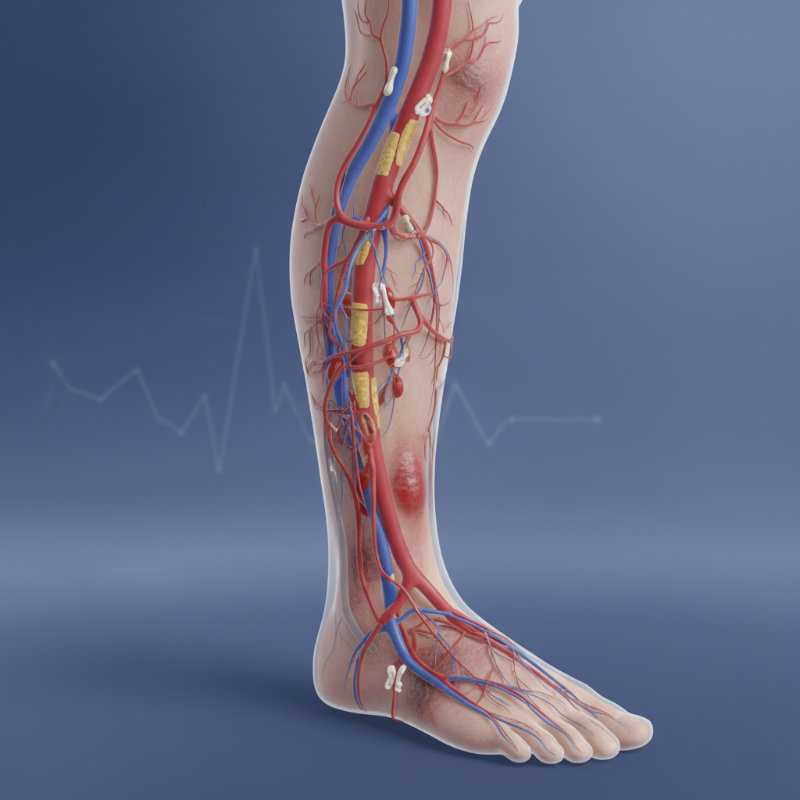
Venous Insufficiency
What is Venous Insufficiency?
Healthy veins contain one-way valves that open to allow blood to flow towards the heart and close to prevent it from flowing backward. With venous insufficiency, these valves become damaged or weakened and fail to close properly. This allows blood to leak backward and pool in the legs, leading to increased pressure in the veins. This is the underlying cause of many common vein problems, including varicose veins.
Symptoms of Venous Insufficiency
The symptoms of venous insufficiency typically worsen with prolonged standing or sitting and improve when you elevate your legs. Common signs and symptoms include:
Swelling: Swelling in the ankles and legs, which may be more noticeable at the end of the day.
Pain and Aching: A feeling of heaviness, cramping, or a persistent dull ache in the legs.
Itching or Tingling: A sensation of tingling or an itchy feeling in the legs.
Skin Changes: The skin around the ankles and lower legs may become discoloured (red, brown, or purplish), thickened, or hard.
Varicose Veins: Enlarged, twisted veins that appear on the surface of the skin.
Leg Ulcers: In advanced cases, the high pressure in the veins can cause the skin to break down, leading to difficult-to-heal sores or ulcers on the legs.
If you notice a sudden increase in swelling, intense pain, or signs of infection around a skin ulcer, seek immediate medical attention.
Causes and Risk Factors
Venous insufficiency is primarily caused by damage to the one-way valves in the leg veins. The most significant cause is a prior deep vein thrombosis (DVT), but other factors can also contribute.
Key risk factors include:
Age: The risk of venous insufficiency increases with age.
Family History: A genetic predisposition to varicose veins or venous disease.
History of DVT: Damage from a previous blood clot in a deep leg vein is a major risk factor.
Prolonged Sitting or Standing: Occupations or lifestyles that involve long periods of immobility.
Obesity: Excess weight puts increased pressure on leg veins.
Pregnancy: Hormonal changes and the pressure of a growing uterus can damage veins.
Lack of Exercise: Weakened calf muscles can’t help pump blood back to the heart as effectively.
Smoking.
Diagnosis and Treatment
Diagnosing venous insufficiency typically involves:
Physical Examination: Your doctor will examine your legs for swelling, skin changes, and visible varicose veins.
Medical History: Discussing your symptoms and risk factors.
Duplex Ultrasound: This is the most common diagnostic tool. It is a non-invasive test that uses sound waves to create images of the veins and measure the speed and direction of blood flow to check for valve function.
Treatment for venous insufficiency focuses on improving blood flow, managing symptoms, and preventing the condition from getting worse.
Lifestyle Changes & Compression Therapy
Compression Stockings: This is the primary and most effective treatment. Compression stockings apply pressure to the legs, helping to prevent blood from pooling and reducing swelling.
Leg Elevation: Elevating your legs above your heart for short periods can help reduce swelling.
Regular Exercise: Activities like walking help the calf muscles to pump blood from the legs.
Weight Management: Losing excess weight can reduce pressure on the veins.
Procedures & Surgery
For more severe cases, or when other treatments are not effective, your doctor may recommend one of the following procedures:
Endovenous Thermal Ablation: A minimally invasive procedure that uses a laser or radiofrequency to heat and seal off the damaged vein.
Phlebectomy: A surgical procedure to remove varicose veins through tiny incisions.
Sclerotherapy: Injections into small veins to close them off.
Open Surgery (Vein Ligation & Stripping): In some cases, a larger surgery is performed to remove a damaged vein.
Prevention
You can reduce your risk of developing venous insufficiency or manage its symptoms by:
Staying active: Walk daily to keep your blood flowing.
Avoiding prolonged periods of sitting or standing. If you must sit or stand for a long time, take breaks to walk around.
Elevating your legs when resting.
Maintaining a healthy weight.
Avoiding tight clothing that can restrict blood flow.
If you have a family history of venous disease or have had a DVT, it’s especially important to discuss preventative strategies with your doctor.