-
Suite 1/183 Tynte Street
North Adelaide SA 5006 -
Clinic Hours:
Mon – Fri 8:30 am – 5:00 pm

Varicose Veins
What are Varicose Veins?
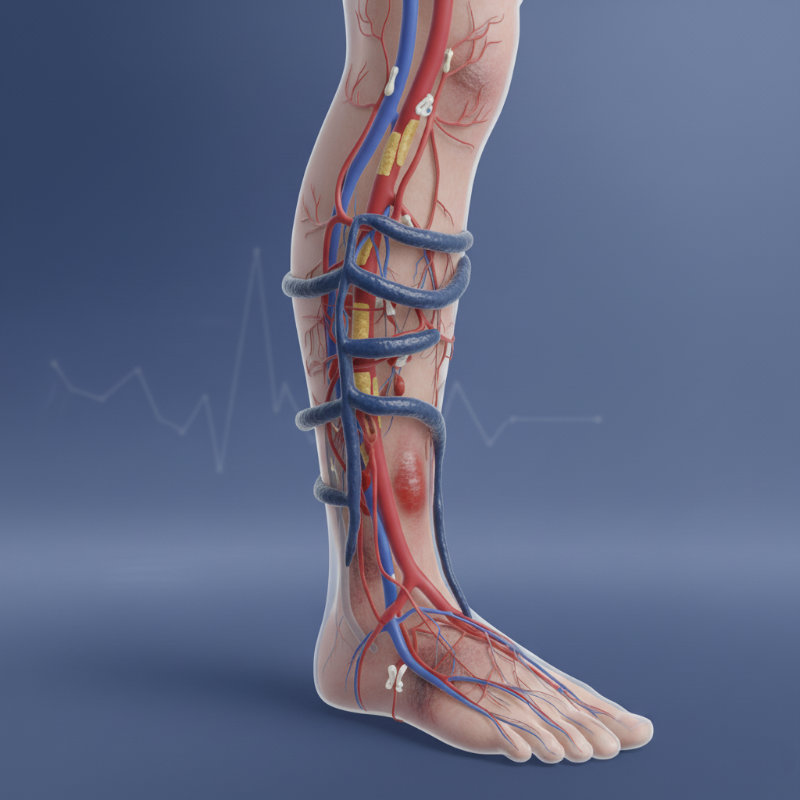
Your veins have small, one-way valves that help blood flow smoothly back from your limbs to your heart. Varicose veins develop when these valves weaken or are damaged. This allows blood to pool, causing the veins to stretch and bulge, becoming visible just under your skin. Because of gravity, the veins in your legs are most commonly affected.
Symptoms of Varicose Veins
Many people with varicose veins have no symptoms beyond their appearance. However, common signs can include:
Visible, bulging veins: Often dark blue or purple, twisted, and rope-like.
Aching, heavy, or tired legs: Especially after standing or sitting for long periods.
Swelling: Noticeable in your ankles and feet.
Muscle cramps, throbbing, or burning: In your lower legs, worse after prolonged standing.
Itching: Affecting the skin around the affected veins.
Skin changes: Darkening of the skin or, in severe cases, slow-healing sores near the ankles.
Causes and Risk Factors
Several factors increase your chance of developing varicose veins:
Genetics: Common in children of parents with varicose veins.
Age: Veins naturally weaken over time.
Sex: Women are more prone due to hormonal changes (e.g., pregnancy, menopause).
Pregnancy: Increased blood volume and hormonal shifts.
Obesity: Adds pressure to your veins and slows vein drainage.
Prolonged Standing or Sitting: Hinders blood flow.
History of DVT: Past blood clots can damage or scar delicate vein valves, worsening vein function.
Diagnosis and Treatment
Diagnosing varicose veins usually involves a Physical examination and a Duplex Ultrasound. This non-invasive scan uses sound waves to check blood flow in your veins and identify any damaged valves.
Treatment aims to ease symptoms, prevent complications, and improve appearance. Options include:
Conservative Management (Often First Step)
Compression Stockings: These apply pressure to help blood flow more efficiently.
Regular Exercise: Walking helps improve circulation.
Elevating your legs: Reduces swelling.
Avoiding long periods of standing or sitting.
Maintaining a healthy weight.
Procedures & Surgery
For more persistent symptoms or severe cases, your doctor might recommend:
Sclerotherapy: Injecting a solution to close smaller veins.
Endovenous Laser Treatment (EVLT) or Radiofrequency Ablation (RFA): A keyhole procedure using heat to close non-functional veins.
Phlebectomy: Day surgical procedure using small incisions to remove visible veins close to the skin.
Venaseal™ Closure System: Using a medical adhesive to close damaged veins.
Surgery (Ligation & Stripping): In selected patients, this involves surgically removing the damaged vein under general anaesthetic.
Preventing Varicose Veins
While you can’t always prevent them, you can reduce your risk and manage symptoms by:
Staying active.
Maintaining a healthy weight.
Avoiding long periods of standing or sitting.
Elevating your legs regularly.
Wearing compression stockings if advised.
If you have concerns about varicose veins, talk to your GP.