-
Suite 1/183 Tynte Street
North Adelaide SA 5006 -
Clinic Hours:
Mon – Fri 8:30 am – 5:00 pm

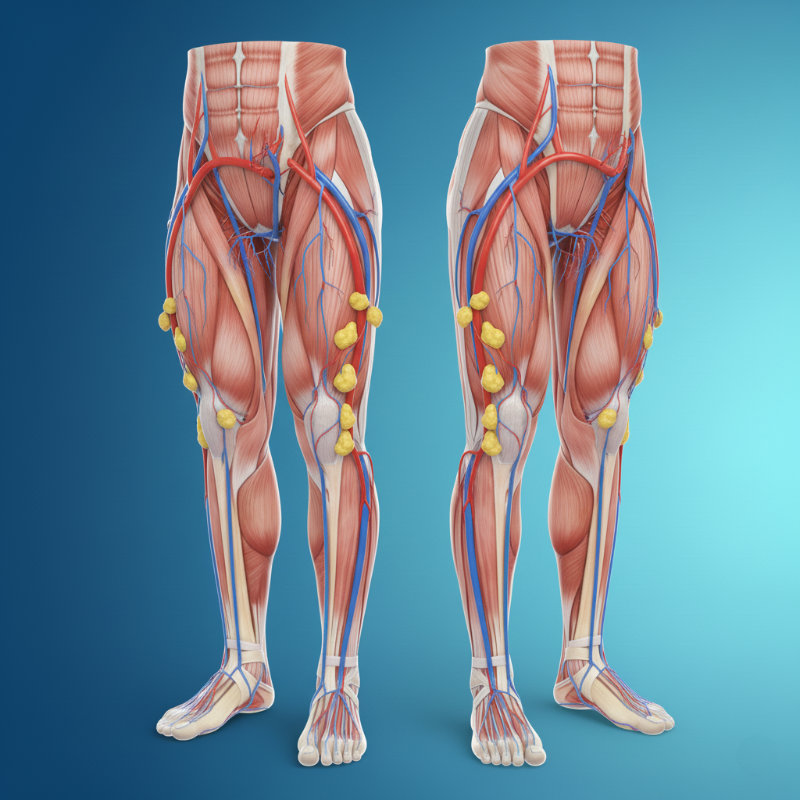
Evaluate Arterial Insufficiency
What is Arterial Insufficiency?
The arteries are typically wide and flexible, allowing blood to flow freely. Arterial insufficiency occurs when the arteries become hardened and narrowed, a process called atherosclerosis. This is due to a build-up of fatty deposits, or plaque, on the artery walls. As the arteries narrow, less blood can get through, starving the muscles and tissues of oxygen and nutrients, especially during physical activity.
Symptoms of Arterial Insufficiency
Symptoms of arterial insufficiency can be mild or severe and often progress over time. Many people with PAD have no symptoms in the early stages. The most common symptom is:
Intermittent Claudication: Pain, cramping, or a tired, heavy feeling in the calves or buttocks that occurs during exercise (like walking or climbing stairs) and goes away after a few minutes of rest. The location of the pain depends on where the blockage is.
Other symptoms may include:
Numbness, weakness, or coldness in the lower leg or foot.
Sores on the legs, feet, or toes that are slow to heal or won’t heal at all.
A change in the colour of the legs, such as a pale or bluish tint.
Hair loss or slower hair growth on the legs and feet.
Shiny skin on the legs.
Slower-growing toenails.
A weak or absent pulse in the legs or feet.
Erectile dysfunction in men.
A severe burning pain in your legs and feet that persists even at rest could be a sign of a critical blockage and a medical emergency. Seek immediate medical attention.
Causes and Risk Factors
The primary cause of arterial insufficiency is atherosclerosis. The main risk factors for this condition are the same as those for other heart diseases.
Key risk factors include:
Smoking: This is the most significant risk factor, as it severely damages the blood vessels and accelerates atherosclerosis.
Age: The risk increases significantly after the age of 50.
Diabetes: High blood sugar levels damage the blood vessels.
High Blood Pressure (Hypertension): Puts constant stress on the artery walls.
High Cholesterol: High levels of LDL (“bad”) cholesterol promote plaque build-up.
Obesity: Often associated with high blood pressure, high cholesterol, and diabetes.
Family History: A genetic predisposition to heart disease or PAD.
Diagnosis and Treatment
To diagnose arterial insufficiency, your doctor will perform a physical exam, ask about your symptoms and medical history, and may recommend one or more of the following tests:
Ankle-Brachial Index (ABI): A quick, non-invasive test that compares blood pressure in your ankle to the blood pressure in your arm. A low ABI suggests an artery narrowing or blockage.
Doppler Ultrasound: Uses sound waves to create images of the arteries and measure blood flow to detect blockages.
Angiography (CTA or MRA): Advanced imaging tests that use a special dye to provide a detailed view of the arteries and identify the location and severity of narrowing or blockages.
Treatment for arterial insufficiency focuses on relieving symptoms, slowing the progression of the disease, and preventing complications like heart attack, stroke, or amputation.
Lifestyle Changes & Medications
Quit Smoking: The most important step to slow the disease.
Exercise: A supervised exercise program, such as walking, can significantly improve symptoms by helping the body develop new blood vessels to bypass blockages.
Healthy Diet: A diet low in saturated fats, trans fats, and cholesterol.
Medications: Prescriptions to lower blood pressure, cholesterol (statins), and blood sugar (for diabetics). Blood-thinning medications like aspirin or clopidogrel may also be prescribed to prevent blood clots.
Procedures & Surgery
For more severe cases, or when other treatments are not effective, your doctor may recommend:
Angioplasty and Stenting: A minimally invasive procedure to widen a blocked artery with a balloon and place a stent to keep it open.
Atherectomy: A procedure to remove plaque from the artery walls.
Bypass Surgery: A surgical procedure to reroute blood flow around a blocked artery using a graft from another blood vessel or a synthetic tube.
Prevention
Prevention of arterial insufficiency is all about managing the risk factors for atherosclerosis:
Never smoke, or quit if you do.
Manage your diabetes, blood pressure, and cholesterol.
Eat a heart-healthy diet.
Exercise regularly.
Maintain a healthy weight.
If you have any of the risk factors for arterial insufficiency, it’s important to discuss them with your doctor to create a preventative plan and consider screening.